Embark on a journey through the world of market analysis for investment decisions, where trends, strategies, and insights converge to shape financial success.
Explore the intricacies of fundamental and technical analysis, market research techniques, and the impact of market volatility on investment choices.
Importance of Market Analysis

Market analysis is a crucial aspect of making informed investment decisions. It provides investors with valuable insights into market trends, helping them understand the current state of the market and predict potential future movements. By conducting thorough market analysis, investors can identify opportunities and risks, ultimately guiding them in formulating successful investment strategies.
Understanding Market Trends
Market analysis allows investors to track the performance of various assets, sectors, and industries. By analyzing historical data and current market conditions, investors can gain a deeper understanding of the factors influencing market trends. This insight helps investors make informed decisions about when to buy, sell, or hold investments.
Predicting Future Movements
Through market analysis, investors can identify patterns and trends that may indicate future market movements. By examining key indicators such as economic data, company earnings reports, and market sentiment, investors can make educated predictions about the direction of the market. This predictive ability enables investors to adjust their investment strategies proactively and capitalize on emerging opportunities.
Successful Investment Strategies
Many successful investment strategies are built on thorough market analysis. For example, value investing, which involves identifying undervalued assets based on fundamental analysis, is a strategy that has been proven effective over time. Similarly, momentum investing, which focuses on investing in assets that are trending upwards, relies heavily on market analysis to identify potential opportunities for high returns.
Types of Market Analysis
Market analysis is a crucial aspect of making informed investment decisions. There are various types of market analysis that investors can use to evaluate potential opportunities and risks. The main types include fundamental analysis, technical analysis, sentiment analysis, quantitative analysis, and qualitative analysis. Let’s delve into the differences and roles of each in the context of investment decisions.
Fundamental vs. Technical Analysis
Fundamental analysis focuses on evaluating the intrinsic value of an asset by examining financial statements, economic indicators, and market trends. It looks at factors like revenue, earnings, and growth potential to determine if an investment is undervalued or overvalued. On the other hand, technical analysis relies on historical price and volume data to forecast future price movements. It involves studying charts, patterns, and indicators to identify trends and make trading decisions.
While fundamental analysis is more long-term oriented, technical analysis is often used for short-term trading strategies.
Sentiment Analysis in Market Analysis
Sentiment analysis involves gauging the overall mood or sentiment of market participants towards a particular asset or market. It helps investors understand the emotions driving buying and selling decisions, which can impact price movements. By analyzing news, social media, and market sentiment indicators, investors can gain insights into market psychology and potential market trends. Sentiment analysis is particularly useful in identifying market extremes or contrarian opportunities when the crowd sentiment is overly optimistic or pessimistic.
Quantitative vs. Qualitative Market Analysis
Quantitative analysis involves using mathematical models, statistical tools, and data analysis to evaluate investments. It focuses on numbers, ratios, and metrics to derive insights and make investment decisions. In contrast, qualitative analysis relies on subjective judgment, expert opinions, and qualitative factors like management quality, industry trends, and competitive positioning. While quantitative analysis provides a more objective and data-driven approach, qualitative analysis offers a deeper understanding of qualitative factors that may not be captured by quantitative metrics.
Combining both quantitative and qualitative analysis can provide a more comprehensive view of investment opportunities.
Market Research Techniques
Market research techniques are essential for gathering data to make informed investment decisions. These techniques help investors understand market trends, consumer behavior, and competitive landscapes. By utilizing a combination of primary and secondary research methods, investors can obtain valuable insights to guide their investment strategies.
Primary Research vs. Secondary Research
Primary research involves collecting data firsthand through methods such as surveys, interviews, and focus groups. This type of research provides direct and current information that is specific to the investor’s needs. On the other hand, secondary research involves analyzing existing data from reports, studies, and databases. While secondary research is less time-consuming and costly, primary research offers unique insights that may not be available through secondary sources.
- Surveys: Conducting surveys allows investors to gather opinions and preferences directly from consumers. This data can help identify market demands and trends.
- Interviews: In-depth interviews with key stakeholders or industry experts provide valuable qualitative insights that can shape investment decisions.
Primary research methods like surveys and interviews offer personalized and real-time data that can give investors a competitive edge in the market.
Impact of Market Research Findings on Investment Strategies
Market research findings play a crucial role in shaping investment strategies. By analyzing market trends, consumer behavior, and competitor activities, investors can make informed decisions that minimize risks and maximize returns. For example, if a market research study reveals a growing demand for sustainable products, an investor may choose to allocate funds towards environmentally friendly companies.
- Competitor Analysis: Understanding competitors’ strengths and weaknesses can help investors identify opportunities for differentiation and growth.
- Consumer Behavior Analysis: Studying consumer preferences and purchasing patterns can guide product development and marketing strategies.
Market research findings provide valuable insights that enable investors to adapt their strategies according to market dynamics and consumer needs.
Understanding Market Volatility
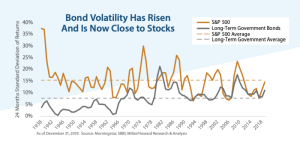
Market volatility refers to the frequency and magnitude of price changes in the financial markets. It plays a significant role in shaping investment decisions as it can impact the value of investments in a short period. Understanding market volatility is crucial for investors as it helps in assessing the level of risk associated with different assets.
Impact of Market Volatility on Investment Decisions
Market volatility can lead to fluctuations in the value of investments, causing uncertainty and potential losses for investors. It can also affect trading volumes and liquidity in the market, making it challenging to predict future price movements. Investors need to consider market volatility when making investment decisions to mitigate risks and maximize returns.
- Market volatility can create buying opportunities for investors willing to take on higher risks in exchange for potential rewards.
- Conversely, high market volatility can also lead to increased losses for investors who are unprepared for sudden price swings.
- Long-term investors may choose to ride out market volatility, while short-term traders may adjust their strategies to capitalize on short-term price movements.
Strategies for Managing Risks Associated with Market Volatility
It is essential for investors to implement risk management strategies to navigate market volatility effectively and protect their investments.
One common strategy is diversification, which involves spreading investments across different asset classes to reduce the impact of volatility on the overall portfolio.
- Setting stop-loss orders can help limit potential losses by automatically selling an asset if it reaches a predetermined price level.
- Using options and other derivatives can provide downside protection during periods of high volatility.
- Regularly reviewing and rebalancing the investment portfolio can help ensure it remains aligned with the investor’s risk tolerance and financial goals.
Historical Market Volatility Data and Future Investment Choices
Analyzing historical market volatility data can provide valuable insights into how different assets have performed during periods of volatility in the past. This information can help investors make more informed decisions about their investment choices in the future.
- Studying historical market volatility can help investors identify patterns and trends that may repeat in the future, allowing them to adjust their strategies accordingly.
- By understanding how specific assets have behaved during volatile market conditions, investors can better assess the level of risk associated with those assets and make informed investment decisions.
- Using historical market volatility data in conjunction with other fundamental and technical analysis can help investors develop a well-rounded investment strategy that accounts for potential market fluctuations.
Delve deeper into the realm of market analysis for investment decisions and equip yourself with the knowledge needed to navigate the ever-changing landscape of financial markets with confidence and precision.
FAQ Explained
What role does sentiment analysis play in market analysis for investment decisions?
Sentiment analysis helps investors gauge market sentiment and make informed decisions based on public mood and emotions towards certain assets.
How can historical market volatility data inform future investment choices?
By analyzing past market volatility trends, investors can anticipate potential risks and adjust their investment strategies accordingly to mitigate losses.