Embark on a journey through Competitive Market Research Analysis, exploring its vital components, advantages, and tactics that drive business success.
Delve into the realm of strategic analysis, market insights, and decision-making prowess as we uncover the essence of competitive market research.
Introduction to Competitive Market Research Analysis

Competitive market research analysis plays a crucial role in shaping a business’s strategy and decision-making process. By understanding the competitive landscape, businesses can identify opportunities, threats, and market trends that can impact their performance.
Key Elements of Competitive Market Research Analysis
- Identifying key competitors in the industry
- Analyzing competitors’ strengths and weaknesses
- Evaluating market trends and consumer behavior
- Assessing pricing strategies and product offerings
Benefits of Utilizing Competitive Market Research Analysis
- Strategic decision-making: Helps in formulating effective strategies to stay ahead of competitors
- Risk mitigation: Identifying potential threats allows businesses to proactively address challenges
- Product development: Understanding consumer preferences can guide product innovation and development
- Market positioning: Helps in positioning the business effectively in the competitive landscape for better market penetration
Market Analysis
Market analysis is a crucial component of understanding industry trends and gaining insights into the competitive landscape. By analyzing market data and trends, businesses can make informed decisions and develop effective strategies to stay ahead of the competition.
Methods of Market Analysis
Market analysis can be conducted using various methods, each offering unique insights into different aspects of the market. Some common methods include:
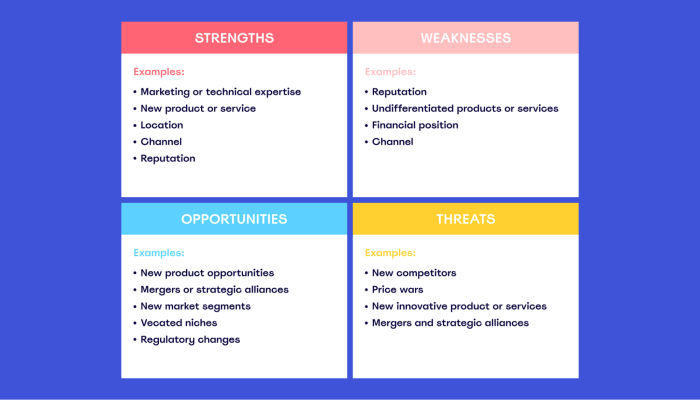
- SWOT Analysis: This method helps identify the strengths, weaknesses, opportunities, and threats facing a business in the market.
- PESTEL Analysis: This framework examines the political, economic, social, technological, environmental, and legal factors that can impact a business in the market.
- Competitor Analysis: This involves evaluating the strengths and weaknesses of competitors to identify opportunities and threats in the market.
Benefits of Market Analysis
Market analysis can provide businesses with valuable insights that can help them make informed decisions and develop effective strategies. For example:
- Identifying market trends and opportunities: By analyzing market data, businesses can identify emerging trends and opportunities for growth in the market.
- Understanding customer needs: Market analysis helps businesses understand the needs and preferences of their target customers, allowing them to tailor their products and services accordingly.
- Assessing competition: By conducting competitor analysis, businesses can gain insights into the strategies and tactics employed by their rivals, helping them stay ahead of the competition.
Market Research
Market research is a crucial component of competitive market analysis, providing valuable insights into consumer preferences, market trends, and competitor strategies. It involves gathering and analyzing data to understand the dynamics of a particular market.Differentiate between market research and market analysis:Market research focuses on collecting and interpreting data related to consumer behavior, market trends, and competitive landscape. On the other hand, market analysis involves evaluating the gathered information to make informed decisions and develop effective strategies.Explain the process of conducting effective market research for competitive analysis:
- Define the research objectives and goals to guide the data collection process.
- Determine the target market and segment the audience based on demographics, psychographics, and behavior.
- Choose the appropriate research methods such as surveys, interviews, focus groups, or observational studies.
- Collect data from primary and secondary sources to gather comprehensive information.
- Analyze the data using statistical tools and techniques to identify patterns and trends.
- Interpret the findings to draw meaningful insights and implications for competitive analysis.
Share the importance of market research in identifying market opportunities and threats:Market research helps businesses to:
- Understand consumer preferences and needs to develop products and services that meet market demands.
- Identify emerging trends and opportunities for growth in the market.
- Assess competitor strategies and market positioning to gain a competitive advantage.
- Anticipate potential threats and challenges in the market to mitigate risks and make informed decisions.
Market Volatility
Market volatility refers to the degree of variation in the prices of assets, securities, or commodities in a market within a certain period of time. This fluctuation can be influenced by various factors such as economic indicators, political events, natural disasters, or even market speculation. In the context of competitive market research analysis, market volatility plays a crucial role in shaping business strategies and decision-making processes.
Impact on Competitive Market Research Analysis
Market volatility can significantly impact competitive market research analysis by affecting the accuracy and reliability of the data collected. Sudden price changes or shifts in consumer behavior due to market instability can make it challenging for businesses to predict market trends and competitor actions accurately. This can lead to potential risks and uncertainties in decision-making processes.
Strategies to Navigate Market Volatility
- Utilize advanced data analytics tools to track market trends and identify patterns in volatile market conditions.
- Conduct regular competitor analysis to understand how competitors are adapting to market volatility and adjust strategies accordingly.
- Diversify product offerings or target markets to minimize the impact of market fluctuations on business performance.
- Stay informed about macroeconomic indicators and industry developments to anticipate potential market shifts and react proactively.
Influence on Business Decisions
Market volatility can influence business decisions in various ways, such as:
- Timing of product launches or marketing campaigns to capitalize on market fluctuations.
- Adjusting pricing strategies based on competitor actions and changing market conditions.
- Redefining target markets or customer segments to adapt to evolving consumer preferences during volatile periods.
- Investing in research and development to innovate and stay ahead of competitors in a dynamic market environment.
As we conclude our exploration of Competitive Market Research Analysis, remember the power it holds in shaping business strategies, seizing opportunities, and thriving amidst market dynamics.
Essential FAQs
What is the significance of competitive market research analysis?
Competitive market research analysis is crucial for businesses to understand their competitive landscape, identify opportunities, and make informed strategic decisions.
How does market volatility impact competitive market research analysis?
Market volatility can influence data accuracy, decision-making, and the overall effectiveness of competitive market research analysis, requiring businesses to adapt and refine their approaches.