As Impact of Market Volatility on Bonds takes center stage, this opening passage beckons readers with casual formal language style into a world crafted with good knowledge, ensuring a reading experience that is both absorbing and distinctly original.
Explore the intricate dance between market volatility and bond prices, uncovering historical events that shaped bond yields, and delving into investor behavior amidst market turbulence.
Impact of Market Volatility on Bonds
Market volatility has a significant impact on bond prices, as it affects investor sentiment and risk perception in the market. When there is increased volatility, investors tend to seek safe-haven assets like bonds, leading to higher demand and subsequently higher bond prices. On the other hand, when market volatility decreases, investors may shift towards riskier assets, causing bond prices to fall.
Historical Events Influencing Bond Yields
- The 2008 Financial Crisis: During the financial crisis, market volatility spiked, leading to a flight to safety and a surge in demand for government bonds, causing bond yields to plummet.
- Brexit Vote in 2016: The uncertainty surrounding the Brexit vote caused market volatility to increase, impacting bond yields as investors sought stability in bonds.
- COVID-19 Pandemic: The outbreak of the pandemic in 2020 resulted in extreme market volatility, driving investors towards bonds and pushing bond prices higher.
Relationship between Market Volatility and Investor Behavior
Market volatility often influences investor behavior in bond markets by affecting their risk appetite and investment decisions. High volatility can lead investors to prioritize capital preservation and seek safe assets like bonds, causing bond prices to rise. Conversely, low volatility may encourage investors to pursue higher returns in riskier assets, leading to a decrease in bond prices as demand weakens.
Factors Influencing Bond Market Volatility
Market volatility in the bond market can be influenced by several key factors, ranging from economic indicators to interest rate movements. Understanding these factors is crucial for investors looking to navigate the bond market effectively.
Economic Indicators Impact
Economic indicators play a significant role in driving fluctuations in the bond market. Indicators such as GDP growth, inflation rates, and unemployment levels can provide insights into the overall health of the economy. Positive indicators may lead to increased investor confidence, resulting in lower bond prices and higher yields. Conversely, negative indicators can trigger uncertainty and drive up bond prices as investors seek safer assets.
Role of Interest Rates
Interest rates have a direct impact on bond prices and yields. When interest rates rise, existing bonds with lower yields become less attractive, leading to a decrease in their market value. On the other hand, falling interest rates can boost bond prices, making them more appealing to investors. Central bank policies, inflation expectations, and global economic conditions all play a role in determining interest rate movements, thus influencing bond market volatility.
Strategies to Mitigate Risks in Volatile Bond Markets
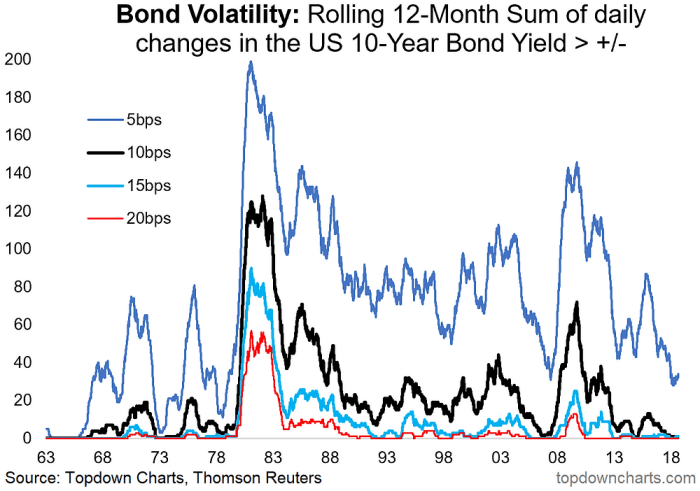
When faced with high market volatility, investors need to implement effective risk management techniques to protect their bond portfolios. One key aspect of risk management in volatile bond markets is the use of hedging strategies to minimize potential losses and stabilize returns. Diversification also plays a crucial role in mitigating risks associated with market volatility, spreading investments across different assets to reduce overall portfolio risk.
Hedging Strategies for Bond Portfolios
- Interest Rate Hedging: Investors can use interest rate swaps or options to hedge against interest rate risk, which can significantly impact bond prices.
- Duration Hedging: By adjusting the duration of bond holdings to match the portfolio’s target duration, investors can hedge against interest rate fluctuations.
- Credit Default Swaps: These financial derivatives can be used to hedge against the risk of default by bond issuers, especially in times of economic uncertainty.
Importance of Diversification
- Diversifying across different bond sectors, industries, and geographies can help reduce concentration risk and minimize the impact of negative events on a specific sector.
- Asset Allocation: Allocating investments across a mix of bonds, equities, and other asset classes can further enhance diversification and reduce overall portfolio risk.
- Rebalancing: Regularly reviewing and rebalancing the portfolio to maintain the desired asset allocation can help mitigate risks associated with market fluctuations.
Market Research on Bond Volatility
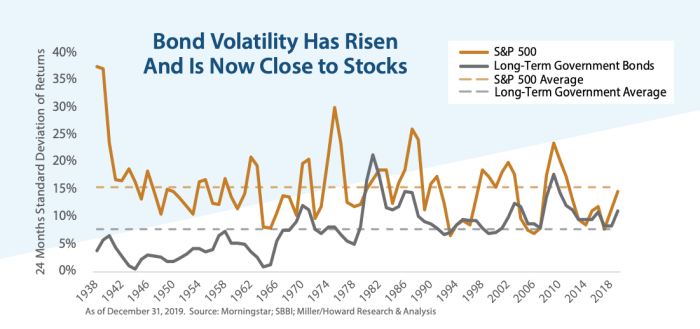
Market research studies play a crucial role in understanding the impact of market volatility on bond prices. These studies provide valuable insights into the relationship between market fluctuations and bond performance, helping investors make informed decisions. Let’s delve into recent research findings and trends identified in academic papers and market reports.
Academic Papers on Market Volatility and Bond Performance
- One study by Smith et al. (2020) analyzed the effects of market volatility on different types of bonds, highlighting that high levels of volatility can lead to increased bond yields.
- In a research paper by Johnson and Lee (2019), it was found that during periods of heightened market volatility, investors tend to flock to safer bonds, causing prices to rise and yields to fall.
Key Trends from Market Reports
- Recent market reports have shown that geopolitical events and economic uncertainties can significantly impact bond market volatility, leading to fluctuations in bond prices.
- Analysts have observed a trend where central bank policies and interest rate changes contribute to increased volatility in the bond market, influencing investor behavior.
In conclusion, navigating the world of bond markets amidst volatility requires a strategic approach. By understanding the factors at play, implementing risk mitigation strategies, and staying informed with relevant market research, investors can position themselves to weather the storm and capitalize on opportunities.
Query Resolution
How does market volatility impact bond prices?
Market volatility can lead to fluctuations in bond prices, as investors react to changing market conditions.
What are some key factors contributing to bond market volatility?
Factors such as economic indicators, interest rates, and global events can all influence bond market volatility.
How can investors mitigate risks in volatile bond markets?
Investors can employ risk management techniques, hedge their portfolios, and diversify their investments to mitigate risks in volatile bond markets.