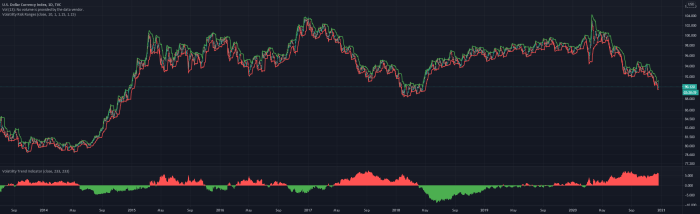
Embark on a journey through the realm of market volatility trends with a focus on predicting future outcomes, offering insights that pave the way for informed decisions in the financial landscape.
Delve deeper into the intricacies of market behavior, exploring historical trends, predictive indicators, trading strategies, and the pivotal role of market research in shaping the volatile market terrain.
Introduction to Market Volatility
Market volatility refers to the degree of variation in the price of a financial instrument over time. It is a crucial aspect of financial markets as it indicates the level of risk and uncertainty present in the market. Understanding market volatility is essential for investors and financial institutions to make informed decisions and manage their portfolios effectively.
Factors Contributing to Market Volatility
- Economic Indicators: Events such as GDP growth, inflation rates, and employment data can impact market volatility.
- Geopolitical Events: Political instability, trade tensions, and global conflicts can lead to increased volatility in financial markets.
- Market Sentiment: Investor emotions and perceptions can influence market volatility, leading to fluctuations in prices.
- Interest Rates: Changes in interest rates set by central banks can affect market volatility, especially in bond and currency markets.
Impact of Market Volatility
- Investor Behavior: High market volatility can lead to panic selling or buying, affecting asset prices and investment decisions.
- Portfolio Performance: Volatile markets can result in significant changes in the value of investment portfolios, impacting overall returns.
- Financial Stability: Excessive market volatility can pose risks to financial institutions and the stability of the financial system as a whole.
Historical Trends in Market Volatility

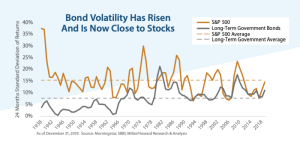
Market volatility has been influenced by a variety of factors throughout history, leading to fluctuations in prices and trading activity. By analyzing historical data, patterns can be identified that shed light on the behavior of markets during different periods.
Economic Crises and Market Volatility
Economic crises, such as the Great Depression of the 1930s or the Global Financial Crisis of 2008, have often been associated with increased market volatility. These events can trigger panic selling, sharp price declines, and heightened uncertainty among investors.
Geopolitical Tensions and Market Volatility
Geopolitical tensions, including conflicts between nations or political instability, can also contribute to market volatility. Events like wars, terrorist attacks, or trade disputes can create uncertainty in the markets, leading to fluctuations in prices and trading volumes.
Comparison of Market Segments
When comparing different market segments, such as the stock market and the forex market, variations in volatility levels can be observed. The stock market may experience higher volatility during earnings seasons or economic data releases, while the forex market can be influenced by geopolitical events and central bank announcements.
Predictive Indicators of Market Volatility
Predicting market volatility trends is crucial for investors and traders to make informed decisions. Key indicators play a vital role in forecasting market volatility, helping market participants anticipate potential price movements and adjust their strategies accordingly.Economic data, such as GDP growth, inflation rates, and employment figures, are fundamental indicators that can influence market volatility. Changes in these economic indicators can signal shifts in market sentiment and impact investor confidence, leading to fluctuations in market volatility.Market sentiment, reflected in factors like investor optimism, fear, or uncertainty, can also serve as a predictive indicator of market volatility.
Sentiment indicators, such as the VIX (Volatility Index) or put/call ratios, provide insights into market participants’ emotions and expectations, which can influence market volatility trends.Technical analysis, which involves studying past market data like price movements and trading volumes, can help identify patterns and trends that may indicate future volatility. Chart patterns, moving averages, and volatility indicators like Bollinger Bands are commonly used in technical analysis to forecast potential market volatility.Despite the usefulness of predictive indicators, there are limitations and challenges in relying solely on them to forecast market volatility.
Sudden geopolitical events, unexpected news releases, or market shocks can quickly change market dynamics, making it difficult to predict volatility accurately. Moreover, overreliance on indicators without considering broader market conditions and external factors can lead to false signals and potential losses for investors.
Limitations and Challenges of Predictive Indicators in Volatile Markets
In volatile markets, predictive indicators may struggle to provide accurate forecasts due to the rapid and unpredictable nature of price movements. Market participants should exercise caution and complement indicator-based analysis with thorough research and risk management strategies to navigate volatile market conditions effectively.
Volatility Trading Strategies
When it comes to trading in volatile markets, investors have a variety of strategies at their disposal to capitalize on market fluctuations and manage risk effectively.
Options Trading
- One common strategy is using options to take advantage of volatility. For example, traders can employ straddle or strangle strategies, which involve buying both a call and a put option on the same underlying asset.
- Options provide the flexibility to profit from both upward and downward price movements, making them popular choices in volatile market conditions.
Futures Trading
- Another popular method is trading futures contracts, which allow investors to speculate on the future price movements of an asset without actually owning it.
- By taking a position in futures, traders can hedge against potential losses and capitalize on market volatility through leverage.
Other Derivatives
- Besides options and futures, investors can also utilize other derivatives like exchange-traded funds (ETFs) or volatility swaps to gain exposure to market volatility.
- These instruments offer different risk-return profiles and can be tailored to suit the specific needs and preferences of traders in volatile market environments.
Risk Management Techniques
Effective risk management is crucial when trading in volatile markets to protect capital and optimize returns.
- Traders often use stop-loss orders to limit potential losses and establish clear exit points in case the market moves against their positions.
- Diversification is another key strategy, spreading investments across different asset classes to reduce overall risk exposure to a single market or sector.
- Moreover, position sizing and portfolio rebalancing are essential risk management techniques to maintain a balanced and resilient investment portfolio in volatile market conditions.
Role of Market Research in Predicting Volatility
Market research plays a crucial role in predicting market volatility by providing valuable insights into the factors influencing market behavior. Through data analysis, trend identification, and continuous market monitoring, researchers can forecast potential changes in market volatility and make informed decisions to mitigate risks and capitalize on opportunities.
Utilization of Market Research for Forecasting
Market research is utilized to forecast market volatility by analyzing historical data, economic indicators, and market sentiment. Researchers examine past trends and patterns to identify potential drivers of volatility, such as economic events, geopolitical issues, or industry-specific developments. By understanding the underlying factors affecting market dynamics, researchers can develop predictive models to anticipate future volatility levels.
- Conducting in-depth data analysis to identify correlations and patterns that may signal upcoming market volatility.
- Utilizing advanced statistical techniques to forecast potential changes in volatility based on historical data and market trends.
- Monitoring market indicators and sentiment to gauge investor behavior and assess the overall market environment.
Role of Machine Learning and AI Technologies
Machine learning and AI technologies are transforming market research practices by enabling researchers to process large volumes of data quickly and efficiently. These technologies can analyze complex datasets, identify hidden patterns, and generate predictive models to anticipate market volatility with greater accuracy.
Machine learning algorithms can adapt to changing market conditions and learn from new data to improve the accuracy of volatility forecasts over time.
- Using AI-powered tools to automate data collection, analysis, and model development for predicting market volatility.
- Implementing machine learning algorithms to identify non-linear relationships and complex interactions influencing market behavior.
- Leveraging predictive analytics to generate real-time insights and recommendations for managing volatility risks effectively.
In conclusion, the dynamics of market volatility trends are deciphered, shedding light on the tools and techniques essential for navigating the ever-changing financial markets with confidence and strategic acumen.
Questions Often Asked
How accurate are predictive indicators in forecasting market volatility?
Predictive indicators provide valuable insights but may not always be 100% accurate due to the dynamic nature of financial markets.
What are some common risk management techniques used in volatile market conditions?
Common risk management techniques include stop-loss orders, diversification, and hedging strategies to mitigate potential losses.
How do economic crises impact market volatility?
Economic crises often lead to increased market volatility as uncertainty and panic among investors trigger significant fluctuations.