Embark on a journey to discover the ins and outs of market research, from understanding its importance to navigating market volatility with strategic insights.
Explore the various types of research methods, learn how to conduct effective market research, and gain valuable tips on analyzing consumer behavior.
Understanding Market Research
Market research is the process of gathering, analyzing, and interpreting information about a market, target audience, or industry to make informed business decisions. It involves collecting data on consumer preferences, market trends, competitor strategies, and other relevant factors that impact a company’s success.
Importance of Market Research
Market research is essential for businesses as it helps them understand their target market better, identify opportunities and threats, and make strategic decisions. By conducting thorough market research, companies can minimize risks, optimize marketing strategies, and stay competitive in the market.
- Identifying Customer Needs: Market research helps companies understand what their customers want, allowing them to tailor their products or services to meet those needs effectively.
- Evaluating Market Trends: By analyzing market trends, businesses can anticipate changes in consumer behavior, preferences, and demands, enabling them to adapt their offerings accordingly.
- Assessing Competitor Strategies: Market research allows companies to gather intelligence on their competitors, understand their strengths and weaknesses, and identify opportunities to differentiate themselves in the market.
Benefits of Market Research
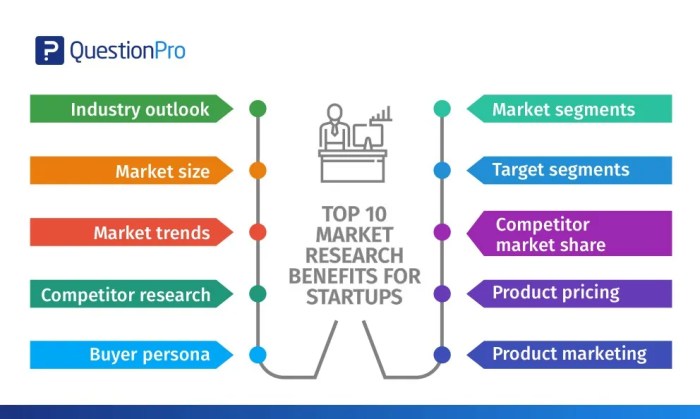
Market research can benefit a company in various ways, including:
- Minimizing Risk: By understanding market dynamics, companies can reduce the risk of launching products or services that may not resonate with consumers.
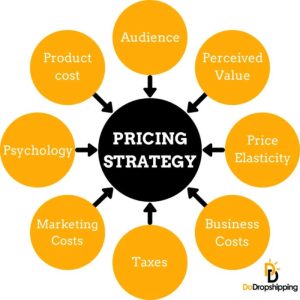
- Improving Decision-Making: Market research provides valuable insights that enable businesses to make informed decisions about product development, pricing, distribution, and marketing strategies.
- Enhancing Customer Engagement: By listening to customer feedback and preferences, companies can improve customer satisfaction, loyalty, and retention.
- Identifying Growth Opportunities: Market research helps companies identify new market segments, niche markets, or untapped opportunities for expansion and growth.
Types of Market Research
Market research methods can be broadly classified into two main categories: qualitative and quantitative research. These methods serve different purposes and provide unique insights into consumer behavior, preferences, and market trends.
Qualitative Research
Qualitative research focuses on understanding the underlying reasons, motivations, and opinions of consumers. This type of research is exploratory in nature and aims to uncover insights that may not be captured through quantitative data alone. Qualitative research methods include focus groups, interviews, and observational studies.
- Surveys: Surveys are a common method used in quantitative research to gather data from a large sample of respondents. They provide statistical results that can be analyzed to identify trends, patterns, and correlations.
- Focus Groups: Focus groups involve a small group of participants who discuss their opinions, perceptions, and preferences on a particular topic. This method allows researchers to delve deeper into consumer attitudes and motivations.
- Interviews: Interviews can be structured or unstructured and involve direct conversations with individuals to gather detailed insights. They are useful for obtaining in-depth information and understanding consumer behavior.
- Observation Methods: Observational studies involve observing and recording consumer behavior in real-life settings. This method provides valuable insights into how consumers interact with products or services.
Quantitative Research
Quantitative research focuses on collecting numerical data that can be analyzed statistically to draw conclusions and make predictions. This type of research is more structured and objective compared to qualitative research methods.
- Surveys: Surveys are also used in quantitative research to collect data on a large scale and quantify consumer opinions and behaviors. The results are statistically analyzed to identify trends and make data-driven decisions.
- Experimental Research: Experimental studies involve manipulating variables to test hypotheses and determine causal relationships. This method is often used in scientific research to establish cause and effect.
- Secondary Data Analysis: Secondary data analysis involves using existing data sources, such as databases and reports, to conduct research. This method is cost-effective and efficient for gathering information on market trends and consumer behavior.
Examples of Successful Market Research Studies
- A leading cosmetic company conducted focus groups to gather feedback on a new product line, resulting in improved packaging design and marketing strategies.
- An online retailer used surveys to analyze customer satisfaction levels and identify areas for improvement, leading to increased customer retention rates.
- A car manufacturer conducted observational studies to observe how consumers interacted with different car models in showrooms, informing future product development decisions.
Conducting Market Research
Market research is a crucial step in understanding the needs and preferences of your target audience. By conducting thorough research, businesses can make informed decisions to drive their marketing strategies and product development. Let’s delve into the steps involved in conducting market research, how to identify the target market, techniques for analyzing consumer behavior, and tips for choosing the right tools and resources.
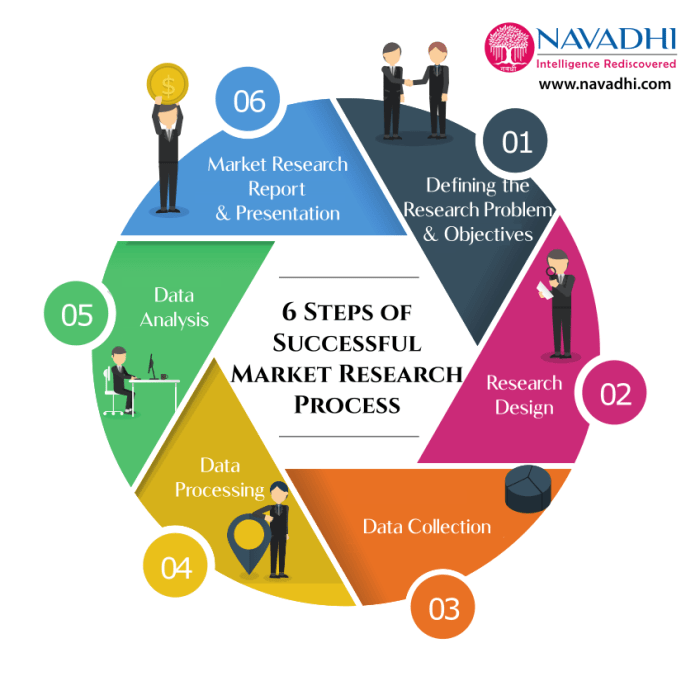
Steps Involved in Conducting Market Research
- Define the objectives: Clearly Artikel what you want to achieve with the market research.
- Choose the research method: Decide on the type of research method such as surveys, focus groups, or interviews.
- Collect data: Gather relevant data from primary and secondary sources to analyze.
- Analyze the data: Interpret the data collected to draw meaningful insights and conclusions.
- Report findings: Present your findings in a structured manner to stakeholders for decision-making.
Identifying the Target Market
- Segmentation: Divide the market into distinct segments based on demographics, psychographics, or behavior.
- Targeting: Select the most attractive segment that aligns with your product or service offering.
- Positioning: Position your product in a way that resonates with the identified target market’s needs and preferences.
Analyzing Consumer Behavior through Market Research
- Surveys: Utilize surveys to gather feedback and insights directly from consumers.
- Observation: Observe consumer behavior in real-life situations to understand their preferences.
- Data analysis: Use tools like Google Analytics to analyze online consumer behavior patterns.
Choosing the Right Market Research Tools and Resources
- Online surveys: Platforms like SurveyMonkey or Google Forms for conducting surveys.
- Focus groups: Gather a small group of target consumers for in-depth discussions.
- Data analytics tools: Utilize tools like Google Analytics, SEMrush, or social media insights for data analysis.
Market Volatility and Research
Market volatility refers to the rapid and unpredictable changes in the market conditions, including prices, supply and demand, and investor sentiment. In such turbulent times, businesses need to conduct continuous market research to stay ahead of the curve and adapt their strategies accordingly.
Adapting Market Research Strategies
During volatile market conditions, businesses can adapt their market research strategies by increasing the frequency of data collection, focusing on real-time data analysis, and being more flexible in their approach. By closely monitoring market trends, consumer behavior, and competitor activities, companies can make informed decisions and adjust their strategies in a timely manner.
- Utilizing advanced data analytics tools to identify patterns and trends
- Engaging with customers through surveys, focus groups, and social media to gather feedback
- Collaborating with industry experts and consultants to gain valuable insights
- Testing different marketing strategies and measuring their effectiveness
Success Stories in Market Volatility
Several companies have successfully navigated market volatility through research-based strategies. For example, during the COVID-19 pandemic, companies like Amazon and Netflix capitalized on the surge in online shopping and streaming services by leveraging market research to anticipate consumer needs and preferences. By adapting their product offerings and marketing strategies, these companies were able to stay resilient and even thrive in challenging times.
- Amazon’s expansion of grocery delivery services to meet the increased demand for online shopping
- Netflix’s focus on producing original content to attract and retain subscribers during lockdowns
- Apple’s launch of new products and services tailored to remote work and virtual communication trends
Leveraging Market Research for Anticipating Market Changes
Market research plays a crucial role in helping businesses anticipate and respond to market changes effectively. By analyzing consumer preferences, industry trends, and competitive landscapes, companies can proactively identify opportunities and threats, optimize their marketing strategies, and stay ahead of the competition.
- Monitoring industry reports, market surveys, and competitor analysis
- Conducting SWOT analysis to assess strengths, weaknesses, opportunities, and threats
- Implementing feedback loops to continuously gather insights from customers and stakeholders
- Investing in predictive analytics to forecast market trends and make data-driven decisions
In conclusion, mastering the art of market research empowers businesses to make informed decisions, adapt to market changes, and stay ahead of the competition.
Frequently Asked Questions
How do I define market research?
Market research involves gathering and analyzing information about target markets or customers to make informed business decisions.
What are the primary objectives of market research?
The main objectives include understanding customer preferences, assessing market trends, and evaluating competition.
When should I use surveys for market research?
Surveys are ideal for collecting quantitative data and gauging customer opinions on specific products or services.
How can businesses adapt market research strategies during volatile market conditions?
Businesses can stay agile by monitoring market trends closely, seeking customer feedback, and adjusting strategies accordingly.