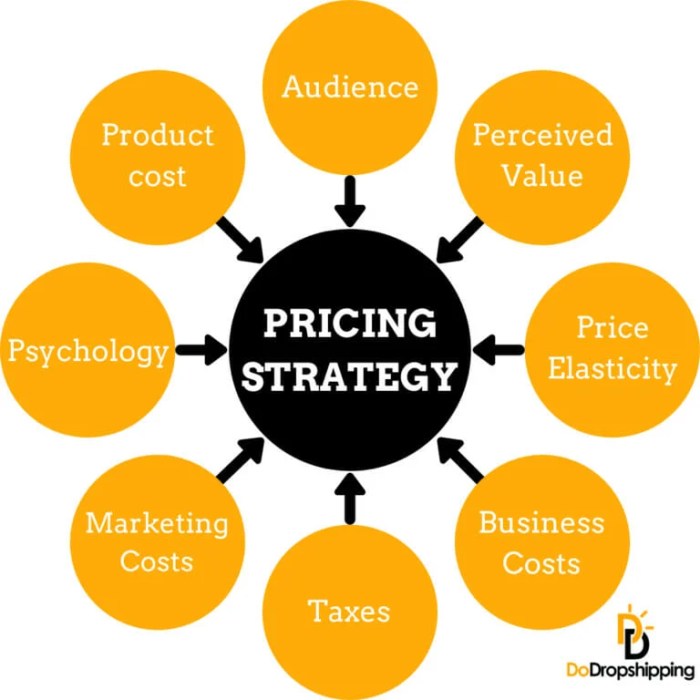
Delve into the realm of Market Research for Pricing Strategies, where the art of setting prices is dissected through a lens of strategic analysis and consumer behavior, promising an enlightening journey for readers.
Explore the intricacies of market analysis, research methods, market volatility, and competitive analysis in shaping pricing decisions.
Market Analysis
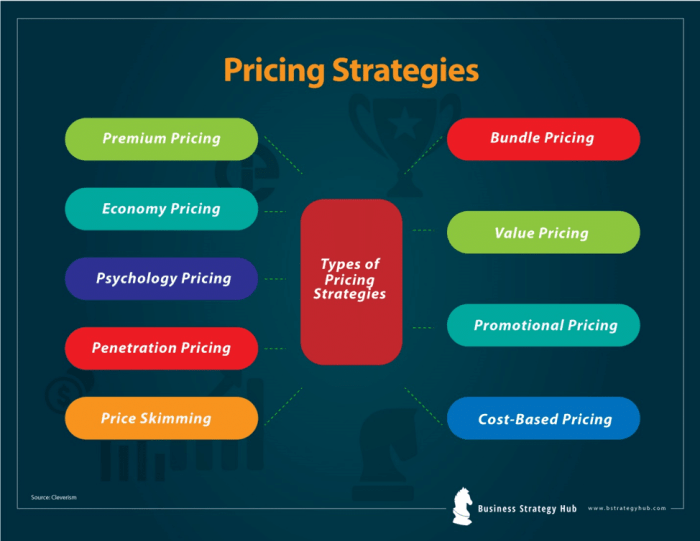
Before developing pricing strategies, it is crucial to conduct a comprehensive market analysis to ensure the success of the pricing decisions.
Key Components of Market Analysis for Pricing Strategies
- Competitor Analysis: Understanding the pricing strategies of competitors helps in positioning your product effectively in the market.
- Target Market Segmentation: Identifying different customer segments and their willingness to pay can guide pricing decisions.
- Economic Conditions: Factors like inflation, interest rates, and overall economic health influence pricing strategies.
- Regulatory Environment: Compliance with regulations and laws impacts pricing decisions and strategies.
Impact of Market Trends and Consumer Behavior on Pricing Decisions
Market trends and consumer behavior play a significant role in determining the pricing strategies of a product or service.
- Price Sensitivity: Understanding how consumers respond to price changes helps in setting optimal prices.
- Value Perception: Aligning pricing with the perceived value of the product ensures competitiveness in the market.
- Seasonal Demand: Adjusting prices based on seasonal demand fluctuations can maximize revenue.
- Brand Positioning: Pricing can be used to position a brand as premium, mid-range, or budget-friendly based on consumer preferences.
Market Research Methods
Market research is crucial for determining effective pricing strategies in the competitive business environment. By utilizing various methods, businesses can gather valuable insights into consumer behavior, preferences, and willingness to pay. Let’s explore the different approaches used in market research for pricing strategies.
Qualitative vs. Quantitative Market Research
Qualitative Market Research:
- Involves gathering non-numerical data through open-ended questions, interviews, focus groups, or observations.
- Focuses on understanding consumer emotions, motivations, and perceptions towards pricing.
- Provides in-depth insights into the reasons behind consumer choices and preferences.
Quantitative Market Research:
- Involves collecting numerical data through surveys, questionnaires, and statistical analysis.
- Focuses on measuring consumer preferences, price sensitivity, and demand elasticity.
- Provides statistical validity and generalizability of findings for pricing decisions.
Tools and Techniques in Market Research
Some common tools and techniques employed in market research for pricing strategies include:
Surveys
Gathering feedback from a large sample of consumers to understand their price preferences.
Pricing experiments
Testing different price points to determine optimal pricing strategies.
Conjoint analysis
Assessing consumer preferences by presenting various product features and prices.
Competitive pricing analysis
Analyzing competitors’ pricing strategies to position products effectively in the market.
Data analytics
Utilizing advanced analytics to uncover patterns and trends in consumer behavior related to pricing.By combining qualitative and quantitative market research methods with these tools and techniques, businesses can develop effective pricing strategies that resonate with target customers and maximize profitability.
Market Volatility
Market volatility refers to the degree of variation in prices within a market over a specific period. This fluctuation can have a significant impact on pricing strategies for businesses operating within that market.Setting prices in a volatile market can be challenging due to the unpredictable nature of price changes. It becomes difficult for businesses to determine the optimal price point that will attract customers while also maximizing profits.
Additionally, sudden shifts in market conditions can lead to pricing decisions becoming outdated or irrelevant in a short amount of time.To adapt pricing approaches in response to market volatility, businesses can implement the following strategies:
Dynamic Pricing Strategies
- Implement dynamic pricing algorithms that adjust prices in real-time based on market demand, competitor pricing, and other relevant factors.
- Utilize price monitoring tools to track market trends and make timely adjustments to pricing strategies.
- Offer discounts or promotions to stimulate demand during periods of low market stability.
Competitive Analysis
In the realm of pricing strategies, competitive analysis plays a crucial role in helping businesses determine the optimal pricing for their products or services. By understanding the pricing strategies of their competitors, companies can make informed decisions to stay competitive in the market.
Importance of Competitive Analysis
Competitive analysis provides valuable insights into the pricing landscape within a specific industry. By evaluating the pricing strategies of competitors, businesses can identify pricing gaps, assess the perceived value of their offerings, and adjust their prices accordingly to attract customers.
- Understand Market Positioning: Competitive analysis helps businesses understand where they stand in relation to their competitors in terms of pricing. This information allows companies to position their products or services effectively in the market.
- Set Competitive Prices: By analyzing the pricing strategies of competitors, businesses can set prices that are competitive yet profitable. This ensures that they are not underselling or overpricing their offerings.
- Identify Unique Selling Points: Competitive analysis can help businesses identify unique selling points that differentiate their products or services from competitors. This information can be leveraged to justify premium pricing or create pricing bundles.
Key Factors in Competitive Analysis
When conducting a competitive analysis for pricing strategies, it is essential to consider the following key factors:
- Competitor Pricing: Evaluate the pricing of direct competitors to understand the price range in the market.
- Product Differentiation: Assess how competitors differentiate their offerings and the impact it has on pricing.
- Market Positioning: Analyze how competitors position themselves in the market and the pricing strategies they employ to attract customers.
- Consumer Perception: Consider how consumers perceive the value of competitors’ products or services based on their pricing.
Informing Pricing Decisions
Competitive analysis can inform pricing decisions in various ways, such as:
By benchmarking prices against competitors, businesses can adjust their prices to remain competitive while maximizing profitability.
| Scenario | Competitive Analysis Insight | Pricing Decision |
|---|---|---|
| Competitor lowers prices | Competitive analysis reveals a price drop by a key competitor. | Consider matching or slightly undercutting competitor prices to retain market share. |
| Competitor introduces new features | Competitive analysis shows a competitor adding new features without changing prices. | Assess the perceived value of the new features and adjust pricing accordingly. |
In conclusion, Market Research for Pricing Strategies unveils the dynamic interplay between market forces and pricing decisions, offering a roadmap for businesses to navigate the ever-changing landscape of pricing strategies with finesse.
Key Questions Answered
How does market volatility impact pricing strategies?
Market volatility can lead to fluctuating demand and costs, necessitating agile pricing strategies to maintain profitability.
What are the key components to consider in a market analysis for pricing strategies?
Key components include market trends, consumer preferences, competitor pricing, and economic conditions.
Why is competitive analysis essential in pricing strategies?
Competitive analysis helps businesses understand market positioning, differentiation opportunities, and optimal pricing strategies.