Embark on a journey through Market Analysis for E-Commerce, delving into the crucial aspects that drive business growth and success in the digital realm.
Explore the intricacies of market research, volatility, and emerging trends that shape the e-commerce landscape.
Market Analysis Overview
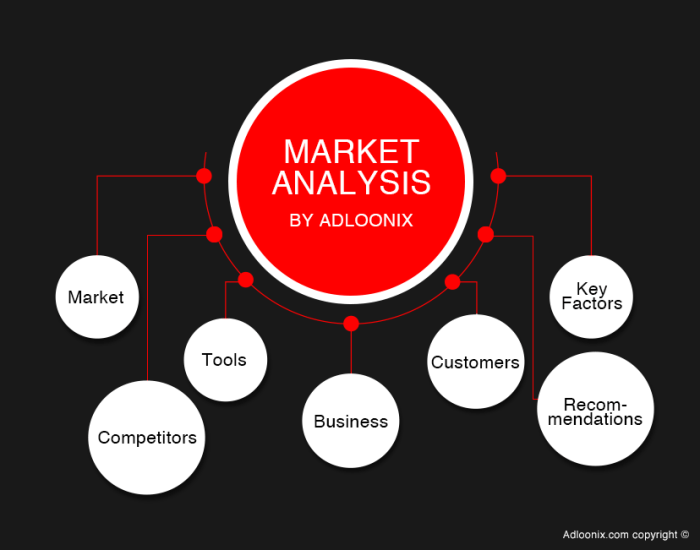
Market analysis plays a crucial role in the success of e-commerce businesses by providing valuable insights into the market landscape, consumer behavior, and competitive dynamics. By conducting a thorough market analysis, e-commerce businesses can make informed decisions, identify opportunities for growth, and mitigate risks effectively.
Key Elements in Market Analysis for E-Commerce
- Target Market Identification: Understanding the demographics, preferences, and behaviors of the target audience.
- Competitor Analysis: Assessing the strengths, weaknesses, strategies, and market positioning of competitors.
- Trends and Industry Analysis: Monitoring industry trends, technological advancements, and market dynamics that impact e-commerce.
- SWOT Analysis: Evaluating the internal strengths and weaknesses of the business along with external opportunities and threats.
- Consumer Insights: Gathering data on consumer preferences, buying patterns, and feedback to tailor offerings.
Benefits of Conducting Market Analysis for E-Commerce Businesses
- Strategic Decision-Making: Market analysis provides valuable data to make informed decisions on product development, pricing, and marketing strategies.
- Risk Mitigation: By understanding market trends and competitive landscape, businesses can anticipate risks and plan effective risk mitigation strategies.
- Competitive Advantage: Through competitor analysis, businesses can identify unique selling points and opportunities to differentiate themselves in the market.
- Market Expansion: Identifying new market segments, trends, or emerging opportunities can help e-commerce businesses expand their reach and grow their customer base.
- Customer Satisfaction: By analyzing consumer insights, businesses can enhance customer experience, tailor products/services to meet customer needs, and improve overall satisfaction.
Types of Market Research
Market research in e-commerce involves various methods to gather and analyze data to make informed business decisions. Let’s explore the different types of market research methods used in e-commerce and their significance.
Primary and Secondary Research
Primary research involves collecting data directly from the source through surveys, interviews, or observations. This type of research provides firsthand information tailored to specific research objectives. On the other hand, secondary research involves analyzing existing data such as reports, articles, and studies. It helps in understanding market trends, competitor analysis, and industry insights.
Quantitative and Qualitative Research
Quantitative research focuses on numerical data and statistical analysis to measure market trends, customer behavior, and preferences. Surveys, questionnaires, and data analytics are common tools used in quantitative research. On the contrary, qualitative research aims to gain deeper insights into customer emotions, motivations, and perceptions. Methods like focus groups, interviews, and observation are utilized in qualitative research to understand customer preferences and behaviors on a more personal level.
Market Volatility in E-Commerce
Market volatility in the e-commerce sector is influenced by various factors that can lead to sudden fluctuations in market conditions. These factors can impact both businesses operating in the e-commerce space and consumer behavior, creating challenges that need to be addressed effectively.
Factors Contributing to Market Volatility
- Changing consumer preferences and trends
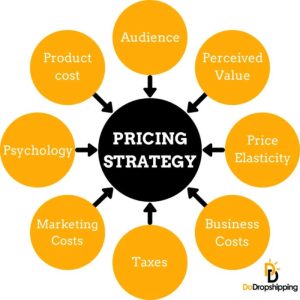
- Competitive landscape and pricing strategies
- Technological advancements and innovations
- Global economic conditions and geopolitical events
Strategies to Mitigate Risks
- Implementing robust data analytics to predict market trends
- Diversifying product offerings and target markets
- Building strong relationships with suppliers and partners
- Maintaining a flexible supply chain to adapt to changing market conditions
Impact on E-Commerce Businesses and Consumer Behavior
- Increased competition and pricing pressure may lead to lower profit margins
- Market volatility can affect inventory management and cash flow for businesses
- Consumers may exhibit fluctuating buying patterns based on market conditions
- Rapid changes in market dynamics can influence consumer trust and brand loyalty
Emerging Trends in Market Research
In the ever-evolving landscape of e-commerce, staying ahead of the curve is crucial for businesses to succeed. Let’s delve into the emerging trends in market research that are shaping the industry and how e-commerce businesses can leverage them to gain a competitive edge.
Integration of Artificial Intelligence
Artificial Intelligence (AI) has revolutionized market research by enabling businesses to analyze vast amounts of data quickly and efficiently. AI-powered tools can provide valuable insights into consumer behavior, preferences, and trends, allowing e-commerce businesses to make data-driven decisions. By leveraging AI, businesses can personalize marketing strategies, improve customer experience, and optimize pricing strategies to stay competitive in the market.
Predictive Analytics
Predictive analytics is another trend that is reshaping market research in the e-commerce industry. By analyzing historical data and using machine learning algorithms, businesses can forecast future trends, customer behavior, and market demand with greater accuracy. E-commerce businesses can use predictive analytics to anticipate customer needs, optimize inventory management, and tailor product offerings to meet market demands effectively.
Social Listening and Sentiment Analysis
With the rise of social media, e-commerce businesses are increasingly turning to social listening and sentiment analysis to understand customer feedback, preferences, and sentiments. By monitoring social media conversations, reviews, and comments, businesses can gain valuable insights into customer perceptions, trends, and competitors. Leveraging social listening tools allows e-commerce businesses to enhance brand reputation, identify potential issues, and engage with customers in real-time to build strong relationships.
Augmented Reality and Virtual Reality (AR/VR)
The integration of Augmented Reality (AR) and Virtual Reality (VR) technologies is revolutionizing the way e-commerce businesses conduct market research. By providing immersive and interactive experiences, AR and VR technologies allow businesses to gather valuable insights into consumer preferences, product interactions, and purchasing behavior. E-commerce businesses can leverage AR/VR to create virtual showrooms, personalized shopping experiences, and product visualization tools, enhancing customer engagement and driving sales.
Omni-Channel Data Integration
As consumers increasingly interact with brands across multiple channels, e-commerce businesses are focusing on integrating data from various touchpoints to gain a comprehensive view of customer behavior. By combining data from online and offline channels, businesses can create a unified customer profile, track customer journeys, and personalize marketing strategies across all touchpoints. Omni-channel data integration enables e-commerce businesses to optimize marketing campaigns, improve customer retention, and drive revenue growth by delivering a seamless and personalized shopping experience.
In conclusion, Market Analysis for E-Commerce serves as a compass for navigating the dynamic market, empowering businesses to make informed decisions and stay ahead of the curve.
Helpful Answers
How can market analysis benefit e-commerce businesses?
Market analysis helps e-commerce businesses understand their target audience, competition, and market trends to make informed strategic decisions.
What are the primary types of market research methods used in e-commerce?
Common types include surveys, interviews, focus groups, and data analysis to gather insights into consumer behavior and preferences.
How can e-commerce businesses mitigate risks associated with market volatility?
By diversifying product offerings, monitoring market trends, and building a flexible business model to adapt to changing market conditions.